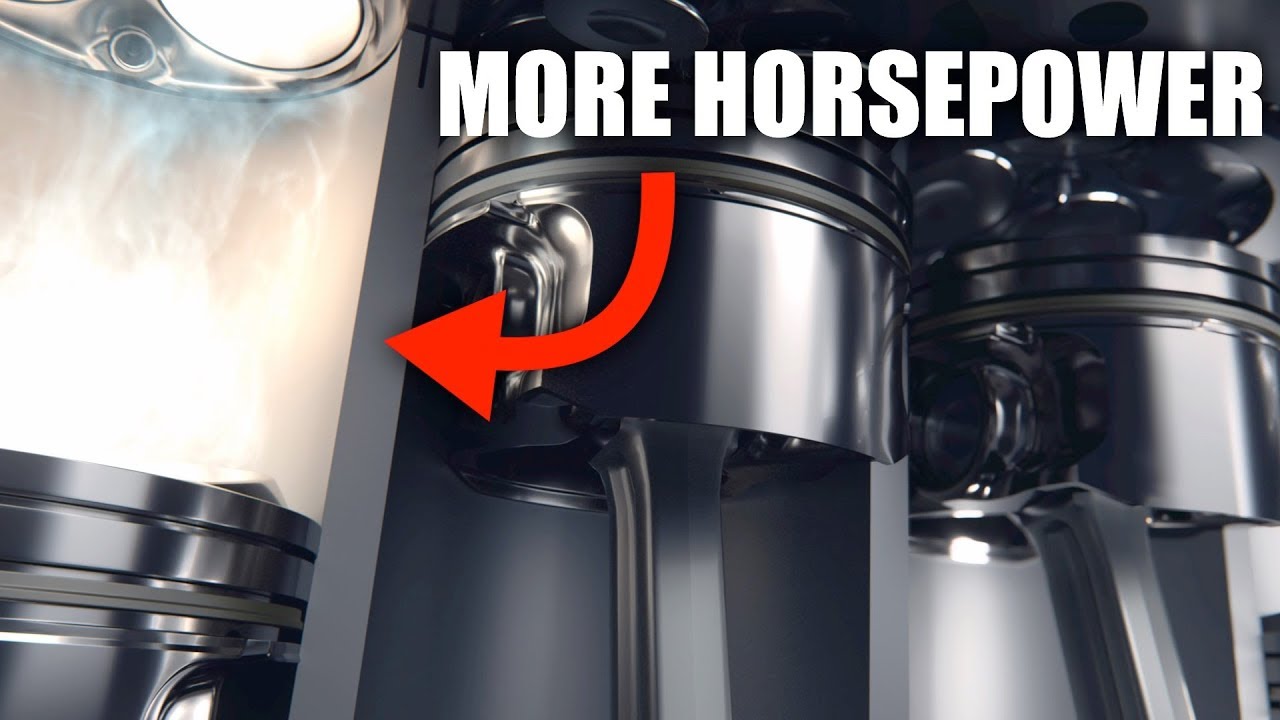
Chiptuning, also known as ECU tuning or remapping, is a popular method to enhance your car’s performance. But what exactly is it, and how does it work?
Understanding the Engine Control Unit (ECU)
At the heart of your car’s engine lies the ECU, a sophisticated computer that controls various engine functions. It monitors and adjusts parameters like fuel injection, ignition timing, and boost pressure to optimize performance and fuel efficiency.
The Power of Chiptuning
Chiptuning involves modifying the ECU’s software to alter these parameters. By carefully adjusting the settings, skilled tuners can unlock your car’s hidden potential. This can lead to significant improvements in horsepower, torque, and overall driving experience.
Benefits of Chiptuning
Increased Horsepower and Torque: The most obvious benefit is a boost in power. This translates to quicker acceleration, higher top speeds, and improved overtaking capabilities.
The Chiptuning Process
1. Diagnostic Check: Before any modifications, a thorough diagnostic check is performed to ensure the engine is in good health.
2. ECU Reading and Analysis: The tuner reads the ECU’s original software and analyzes its parameters.
3. Software Modification: The tuner modifies the software to optimize the engine’s performance. This involves adjusting various parameters, such as fuel injection timing, ignition timing, and boost pressure.
4. ECU Re-flashing: The modified software is then flashed back into the ECU, replacing the original software.
5. Dyno Testing (Optional): After the re-flash, dyno testing can be performed to measure the actual power and torque gains.
Choosing a Reputable Tuner
Selecting a reputable tuner is crucial to ensure the safety and reliability of your vehicle. Look for a tuner with experience, expertise, and a proven track record. A good tuner will take the time to understand your specific needs and goals, and they will use high-quality tuning software and tools.
Is Chiptuning Safe?
When performed by a qualified tuner, chiptuning is generally safe. However, it’s important to choose a reputable tuner who understands the intricacies of your car’s engine. A poorly tuned car can experience issues such as engine knocking, increased wear and tear, and reduced fuel economy.
Legal Considerations
The legality of chiptuning varies from country to country. In some regions, it may be illegal to modify your car’s ECU without the manufacturer’s approval. It’s essential to check your local laws and regulations before proceeding with chiptuning.
Conclusion
Chiptuning offers a cost-effective way to unlock your car’s hidden potential. By carefully modifying the ECU’s software, you can significantly improve your car’s performance, fuel efficiency, and overall driving experience. However, it’s crucial to choose a reputable tuner and adhere to local laws and regulations.
Chiptuning, also known as ECU tuning or remapping, is a popular method to enhance your car’s performance without major mechanical modifications. It involves altering the software within your car’s Engine Control Unit (ECU), the electronic “brain” that manages various engine functions. By optimizing the ECU’s parameters, chiptuning can unlock hidden horsepower and torque, improve fuel efficiency, and refine your car’s overall driving experience.
How Does Chiptuning Work?
Your car’s ECU is responsible for a multitude of tasks, including fuel injection, ignition timing, and turbocharger boost pressure. These parameters are carefully calibrated by the manufacturer to meet specific emission and performance standards. However, these settings often leave room for improvement.
Chiptuning involves a skilled technician using specialized software to access and modify the ECU’s parameters. By adjusting factors like fuel injection timing, ignition timing, and boost pressure, the tuner can fine-tune the engine’s performance to your desired level.
Benefits of Chiptuning
Increased Horsepower and Torque: One of the most significant benefits of chiptuning is a substantial boost in horsepower and torque. This translates to quicker acceleration, higher top speeds, and improved overall responsiveness.
The Chiptuning Process
The chiptuning process typically involves the following steps:
1. Vehicle Diagnosis: The tuner will connect a diagnostic tool to your car’s OBD-II port to gather information about the current ECU parameters and identify any potential issues.
2. ECU Reading and Analysis: The tuner will read the ECU’s software and analyze its parameters to determine the optimal areas for modification.
3. Software Modification: Using specialized software, the tuner will modify the ECU’s parameters to achieve the desired performance gains.
4. ECU Re-flashing: The modified software is then written back to the ECU, effectively “reprogramming” the engine’s control unit.
5. Dyno Testing (Optional): In some cases, the tuner may perform a dyno test before and after the chiptuning process to quantify the performance gains.
Choosing a Reputable Tuner
Selecting a reputable and experienced tuner is crucial to ensure the safety and reliability of your vehicle. A qualified tuner will have the knowledge and expertise to optimize your car’s performance without compromising its longevity.
When choosing a tuner, consider the following factors:
Experience and Reputation: Look for a tuner with a proven track record and positive reviews from satisfied customers.
By carefully selecting a qualified tuner and understanding the potential benefits and risks, you can unlock your car’s true potential and enjoy a more thrilling and efficient driving experience.